


Weeco
Role: Service Designer, UI/UX Designer
Project Type: Environmental Education Program collaboration with Let's Talk Science
Timeline: September 2022 - December 2022
Location: Toronto, Ontario, Canada
Weeco is a collaborative educational service between Let's Talk Science and high schools, designed to promote climate action and environmental education. By integrating augmented reality, event reports, daily tasks, and action tracking, the Weeco app helps high school students engage with environmental issues and develop sustainable habits. The goal is to inspire the next generation to actively protect the environment and make a positive impact on the world.
The Challenge
02
Our Mission
-
Educate high school students on the importance of climate action.
-
Encourage students to develop sustainable habits.
-
Provide a platform for students to record and share their climate actions.
-
Strengthen teacher-student connections in promoting environmental awareness.

Background
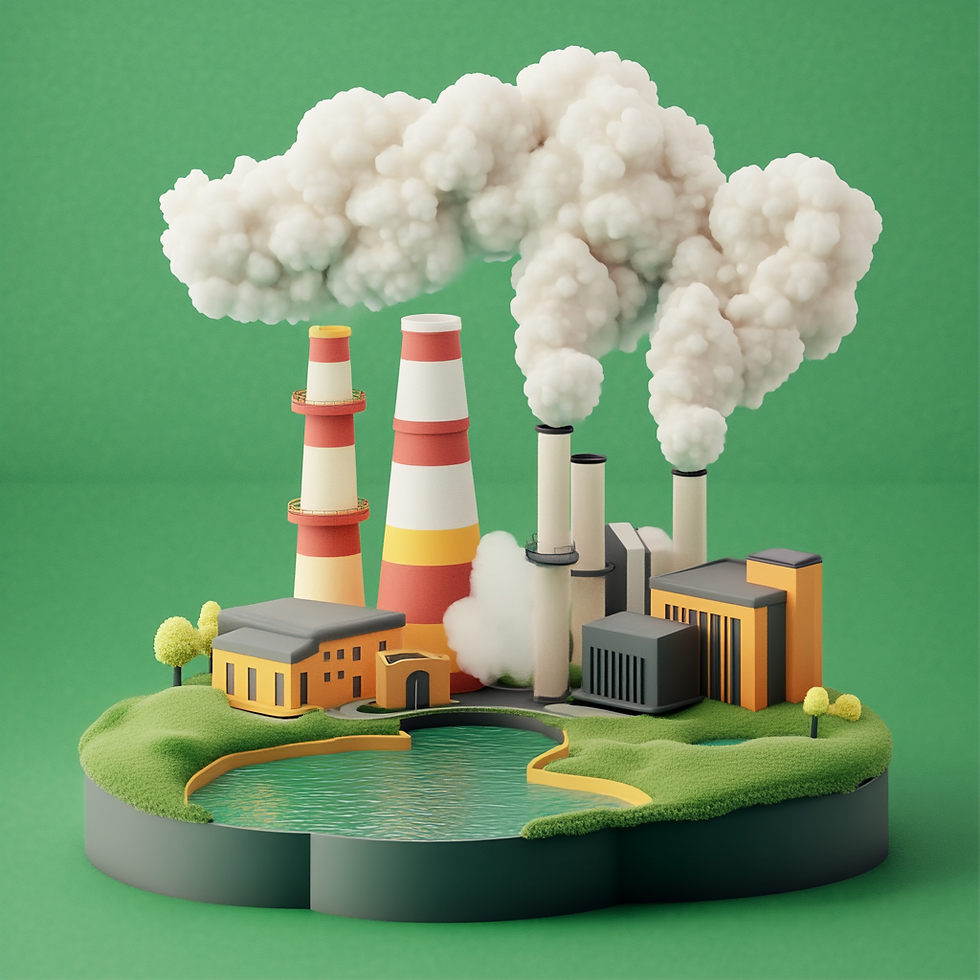
Climate change is a pressing global issue affecting daily life in profound ways. Despite widespread awareness, many individuals struggle to take meaningful action due to a lack of knowledge, motivation, and guidance. This challenge is particularly significant for high school students, a key demographic for fostering long-term environmental responsibility.
01

Target Users
High school students aged 14-18 who are passionate about climate action and seek ways to contribute to environmental protection.
03
Pain Points
How might we transform campus spaces into immersive ecosystems that inspire students to engage with climate action and connect with nature?

Students rarely have positive influence and interaction with each other.

Students lack interest in climate change and are not willing to change their comfortable lifestyles to make improvements to the climate.

Students rarely get effective feedbacks from environmental activities

Students feel overwhelmed and powerless to do anything to improve the environment.

Students are unable to relate to climate change with themselves.
Research & Insights
-
Sensory experiences and fresh learning methods can motivate students to explore climate change in a more engaging way.
-
A greater diversity of learning methods allows students to access more comprehensive knowledge, deepening their understanding of environmental issues.
-
Positive and relevant feedback increases students' willingness to take action, reinforcing their sense of accomplishment.
-
Self-driven interests encourage students to engage in climate action more effectively than externally guided activities.
-
Addressing mental health indirectly by building hope through positive solutions helps create a supportive environment. Providing flexibility and privacy in the learning process fosters a sense of security and empowerment.
Design Process
Stakeholders & Needs
A stakeholder map is crucial for the Weeco project as it helps identify and understand the key players involved in promoting climate action within high schools. By mapping out students, educators, schools, and Let's Talk Science, we can analyze their needs, motivations, and relationships to design a service that effectively engages each group. This process allows us to pinpoint opportunities for collaboration, align incentives, and ensure that Weeco provides meaningful value to all stakeholders, ultimately fostering a more impactful and sustainable environmental education experience.

Design Principles
+Positive Guidance
+Incentives
+Immersive experiences
+Trending and innovative learning techniques
+Diverse learning perspectives
+Quick and engaging feedback on their actions
Service Overview
Weeco Service – Step by Step
-
Weeco Box Installation – Eco-boxes are placed in schools (libraries, cafeterias, classrooms) to create hands-on environmental learning experiences.
-
App Engagement – Students use the Weeco app to explore nature through AR, complete daily eco-tasks, and track their climate actions.
-
Climate Points System – Users earn points for completing sustainable actions, reinforcing positive habits.
-
Event Reports & Awareness – The app provides real-time updates on environmental events, fostering awareness and empathy.
-
Community Connection – Students share experiences, engage with peers, and receive encouragement for their actions.
-
Rewards & Recognition – Accumulated points can be redeemed for eco-friendly products, reinforcing long-term participation.
-
Expansion & Future Growth – Potential integration into public spaces to broaden environmental engagement beyond schools.

The Product


Prototyping
& Testing
The prototype, developed in Figma, underwent multiple testing phases with students, educators, and professionals from Let's Talk Science. Insights from usability testing informed refinements to improve engagement and clarity.

In Service
Weeco App Features
The Weeco app transforms environmental education into an interactive and engaging experience through the following features:

-
Nature Discovery
-
Augmented reality experiences allow students to explore plants and animals digitally.
-
Encourages real-world nature exploration and engagement.
-

-
Developing Good Habits
-
A Climate Point System tracks and rewards sustainable actions.
-
Daily Eco-Friendly Tasks empower students to take small, impactful actions.
-
Self-Recording System enables students to log their progress and redeem rewards.
-

-
Strengthening Awareness
-
Event Reports provide real-world insights on environmental issues.
-
Augmented reality elements create immersive learning experiences.
-
Enhances emotional connection and responsibility toward climate action.
-


Project Value
Weeco is a powerful educational initiative designed to equip students with the knowledge, motivation, and tools to actively engage in climate action. By blending immersive augmented reality experiences with a structured reward system, Weeco makes environmental education more engaging, accessible, and impactful. The integration of interactive learning, daily tasks, and real-world applications ensures that students not only understand climate issues but also take meaningful steps to address them. Through Weeco, we are fostering a new generation of environmentally conscious individuals committed to creating a sustainable future.

Next Step - Scaling the Solution
Looking ahead, Weeco aims to expand its reach beyond high schools into public spaces such as subway stations, parks, and shopping malls. By increasing accessibility, Weeco can engage a broader audience and further encourage climate-conscious behavior. The ultimate goal is to cultivate a global community united in its efforts to create a healthier planet.
Reflection
Collaborating on Weeco with Let’s Talk Science provided valuable insights into the challenges and opportunities of climate action education. Through interviews and research, I gained a deeper understanding of how to create meaningful environmental learning experiences for students. Designing the Weeco app alongside my teammates was both a challenging and rewarding process, reinforcing my skills in UX/UI design and service innovation. This project highlighted the importance of youth engagement in sustainability and has inspired me to further explore the intersection of design and environmental impact in future work.
Impact & Next Steps

Students
Desire to learn and take action on climate change.
Require access to environmental knowledge and resources.
Need motivation and positive reinforcement.
Seek a platform for community engagement and climate action participation.
Schools
-
Need support in implementing environmental policies and programs.
-
Require a platform to showcase their environmental initiatives.
-
Want to foster a culture of sustainability among students and educators.

Let's Talk Science
-
Require a platform to extend their educational reach.
-
Need partnerships to enhance climate education initiatives.
-
Aim to promote science education and environmental awareness on a larger scale.
Before Service
Physical Supply: The Weeco Box
The Weeco Box serves as a physical touchpoint for the Weeco service, bridging the gap between students and their environment. Strategically placed in school libraries, cafeterias, and classrooms, these eco-boxes provide tangible interactions with nature and real-time climate data.
Implementation
-
Science teachers and Let's Talk Science staff assist with installation.
-
Students interact with the eco-boxes to gain knowledge and track climate changes.
-
Encourages engagement, awareness, and a sense of accomplishment.
After Service
Action to Rewards
Weeco extends beyond digital incentives by offering real-world rewards. Students can exchange their Climate Points for tangible items from Let's Talk Science, reinforcing their commitment to environmental action.
Reward Examples
-
Science-based educational tools
-
Merchandise (t-shirts, pins, mugs, eco-friendly bags)
-
Plants and eco-friendly products


