.jpg)
MediSip
Role: Service Designer, UI/UX Designer
Project Type: Human-Centered Design for Dementia Care
Timeline: September 2022 - December 2022
Location: Baycrest Hospital, Toronto
For individuals with dementia, medication adherence is not just a routine—it’s a daily challenge that impacts their health, independence, and overall well-being. MediSip was designed to address this critical issue by seamlessly integrating medication reminders, hydration, and caregiver support into a single, intuitive system. Developed through ethnographic research and user-centered design in collaboration with Baycrest Hospital, this smart water bottle simplifies medication intake while reducing the cognitive burden on patients.
Beyond assisting individuals, MediSip strengthens the caregiver-patient relationship. Managing multiple patients can be overwhelming for caregivers, leading to missed doses and delayed interventions. To bridge this gap, we designed a companion UX platform that allows caregivers to remotely monitor medication adherence in real time, ensuring timely support and reducing stress. By combining physical product innovation with digital connectivity, MediSip enhances autonomy for patients while providing caregivers with the reassurance they need to deliver effective, compassionate care.
The Challenge

02
Our Mission
The goal of MediSip is to enhance medication adherence through an intuitive and supportive solution. By analyzing the use of traditional pillboxes, the cognitive impact of medication schedules, and caregiver feedback, we identified key pain points. Our approach integrates insights from existing assistive medical products to develop a seamless and user-friendly experience.

Background
Managing medication is a critical challenge for elderly individuals with dementia, as declining memory and limited understanding often lead to missed doses or incorrect usage. Our research at Baycrest Hospital examined the daily medication experiences of elderly patients, focusing on the obstacles they face and the opportunities for improvement.
01

Target Users
MediSip is designed for elderly individuals with dementia and their caregivers. By focusing on users within our immediate environment—such as grandparents and Baycrest residents—we ensure a deep and meaningful impact. Caregiver insights played a crucial role in shaping the design, ensuring that our solution addresses both patient and caregiver needs.
03
How Might We…
Streamline the medication process to enhance convenience and ease of use?
Provide clear, intuitive medication information for better self-management?
Integrate humanized features that support emotional well-being during medication intake?
Research & Insights
Through user-centered ethnographic research, we identified three core challenges:
-
Medication Management Assistance
-
Dementia patients struggle with independent medication management.
-
Users require effective reminders and clear, accessible information to ensure adherence.
-
-
Accessibility & Comfort
-
Medication processes should be simplified, avoiding complex operations.
-
The design should be physically comfortable and easy to carry, minimizing user burden.
-
-
Emotional Support & Stress Reduction
-
Negative emotions during medication intake can discourage adherence.
-
Integrated soothing elements can help alleviate anxiety and promote routine adherence.
-
Design Process
Design Principles
Throughout the design process, my team and I engaged in extensive sketching, model-making, and iterative testing to refine MediSip’s functionality and user experience. Our early-stage ideation involved rapid concept development, where we explored multiple form factors and interaction models through hands-on prototyping. By testing with users, we gathered critical feedback, which informed adjustments in ergonomics, usability, and the digital interface. This iterative approach allowed us to balance functionality, accessibility, and emotional comfort, ensuring that MediSip could truly enhance medication adherence for individuals with dementia while supporting their caregivers.
In developing MediSip, we focused on several key design principles to ensure the product was intuitive, accessible, and seamlessly integrated into the daily routines of both dementia patients and caregivers:
-
Simplicity & Ease of Use – The interface and product interaction were designed to be as straightforward as possible, minimizing cognitive load for users.
-
Seamless Integration – MediSip combines hydration and medication intake into one process, eliminating the need for separate steps that may be forgotten.
-
Tactile & Sensory Considerations – The product features an ergonomic grip, non-slip surface, and clear, easy-to-read visual cues to accommodate users with dexterity or vision impairments.
-
Caregiver Connectivity – A digital monitoring system was integrated to allow caregivers to track multiple patients' medication adherence, ensuring timely support.
-
Emotional Well-Being – The design incorporates gentle reminders and a stress-free user experience to reduce anxiety around medication intake.
The Product
Service Overview
MediSip - Mobile App for Caregiver Management
1. MediSip Water Bottle Distribution:
Each patient will receive a MediSip smart water bottle.
All relevant medical information will be securely synchronized between the MediSip bottle and the MediSip app.
2. App Engagement for Caregivers:
Caregivers can access the MediSip app to monitor real-time updates from each patient's MediSip bottle. This includes information on water intake, pill reminders, and more.
3. Refill and Intake Monitoring:
The MediSip system will notify caregivers immediately if there are any issues with water quality or pill conditions within the bottle. This ensures prompt attention and patient safety.
4. Emergency Contact Access:
The MediSip app provides caregivers with quick access to all patients' emergency contacts and doctor's phone numbers in case of urgent situations.


.jpg)
.jpg)
.jpg)
Prototyping
& Testing
The prototype, developed in Figma, underwent multiple testing phases with patients, caregivers, and professionals from OCAD University and Baycrest Hospital. Insights from usability testing informed refinements to improve engagement and clarity.


Impact & Next Steps
Project Value
Intuitive Visualization for Confidence & Support
MediSip enhances medication adherence by integrating clear, real-time visual feedback that reassures both users and caregivers. The interface is designed to be instinctively understandable, minimizing cognitive load for individuals with dementia. By allowing caregivers to remotely monitor medication intake, the system fosters a proactive support network, reducing uncertainty and enhancing peace of mind for families.
Seamless Medication Management
Effective medication management extends beyond simple reminders—it requires an approach that is contextually aware and adaptive to individual needs. MediSip delivers gentle, non-intrusive notifications that align with users’ natural routines, avoiding overwhelming stimuli while ensuring consistency. By leveraging smart tracking and automated alerts, caregivers can efficiently oversee multiple patients, addressing concerns in real time and preventing medication errors before they happen.
Ergonomic & Accessible Portability
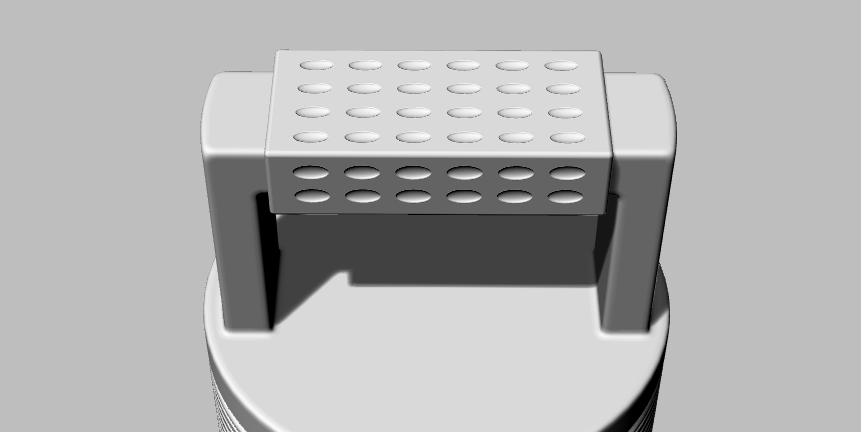
Portability in healthcare products must consider physical comfort, ease of use, and psychological reassurance. MediSip is designed for one-handed operation, with an ergonomic grip and balanced weight distribution to support users with reduced dexterity or mobility challenges. By integrating a spill-proof, lightweight structure, MediSip ensures that medication adherence remains effortless whether users are at home or on the go, reinforcing independence and dignity in daily life.
Innovative Hydration & Medication Integration
Traditional medication intake often presents barriers—separating pills from water, requiring multiple steps, and increasing the risk of skipped doses. MediSip introduces a seamless medication and hydration experience, ensuring that users can take their medicine effortlessly, without additional steps or external dependencies. By embedding intelligent dispensing mechanisms and real-time temperature control, the system makes adherence not just easier but an intuitive part of everyday life.
Next Step - a More Holistic Experience
Implementation Enhancements
-
Optimize screen placement and charging efficiency for uninterrupted usability.
-
Establish a seamless connection between temperature sensors and display for real-time feedback.
User-Centric Research Expansion
-
Investigate ergonomic improvements for enhanced grip and accessibility.
-
Explore material science innovations to optimize heat preservation and structural durability.
Elevating the Digital & Physical Experience
-
Ensure a frictionless connection between the MediSip app and the physical device.
-
Collect and analyze continuous user feedback to refine the interface and enhance engagement.
Guidance & Safety Considerations
-
Develop clear, step-by-step instructions for pillbox assembly to eliminate errors.
-
Assess potential magnetic interference risks affecting electronic components, medication, or water integrity.
Reflection
Working on MediSip reinforced the critical role of human-centered design in healthcare, particularly for vulnerable populations like dementia patients and their caregivers. This project was not just about designing a product—it was about creating a system that fosters trust, reduces burden, and enhances quality of life.
Despite the challenges of remote collaboration during the pandemic, my team and I remained committed to rigorous user research, iterative prototyping, and real-world testing. This process deepened my understanding of designing for inclusivity, accessibility, and emotional well-being—an approach that I will continue to carry forward.
Moving ahead, I remain passionate about leveraging design to drive meaningful change in healthcare. The insights gained from MediSip will undoubtedly shape my future work, as I strive to create solutions that bridge the gap between technology, human connection, and well-being.